Vibe code
Feely
A quiet space to track how I feel, notice the patterns, and make room to reflect.
Why I’m building it
A place to notice the shape of a week
Life in Singapore moves quickly, and it can feel like there’s barely any time to pause and make space for how we’re feeling. I’ve always wanted a simple way to see how my mood changes over time—to look back on a week or month, notice the ups and downs, and understand what might be shaping them.
More than tracking a score, I want something that encourages me to pause and reflect—to make space for difficult feelings while intentionally noticing the good and beautiful parts of life.
So, I’m going to vibe-code it.
The problem
Feelings are easy to lose track of
It’s easy to lose track of how we’ve been feeling. Days blur together, emotions pass, and patterns can be hard to spot from memory alone.
Most people don’t need another complicated wellness routine. They need a simple way to check in, look back, and understand what’s been affecting them.
The opportunity
Make reflection a small daily habit
Mooly can turn daily reflection into a small habit that feels easy to keep up with. It can help people:
- Notice emotional highs and lows over time
- Recognise recurring patterns
- Reflect without judging themselves
- Appreciate positive moments
- Make small, meaningful changes to daily life
How I’m building it
A native iOS experience shaped through iteration
I’m using ChatGPT Astra to explore the app’s art direction, visuals, and animations.
The app is being built with Swift and SwiftUI using the latest stable version of Xcode and the iOS SDK. It uses native Apple controls, modern concurrency, and accessible interaction patterns. I’m also using VS Code for testing and previewing parts of the experience.
I’ll treat Feely as the label for related content in this conversation so we can bring it together into a case study later.
Character design
How I created the Mooly character
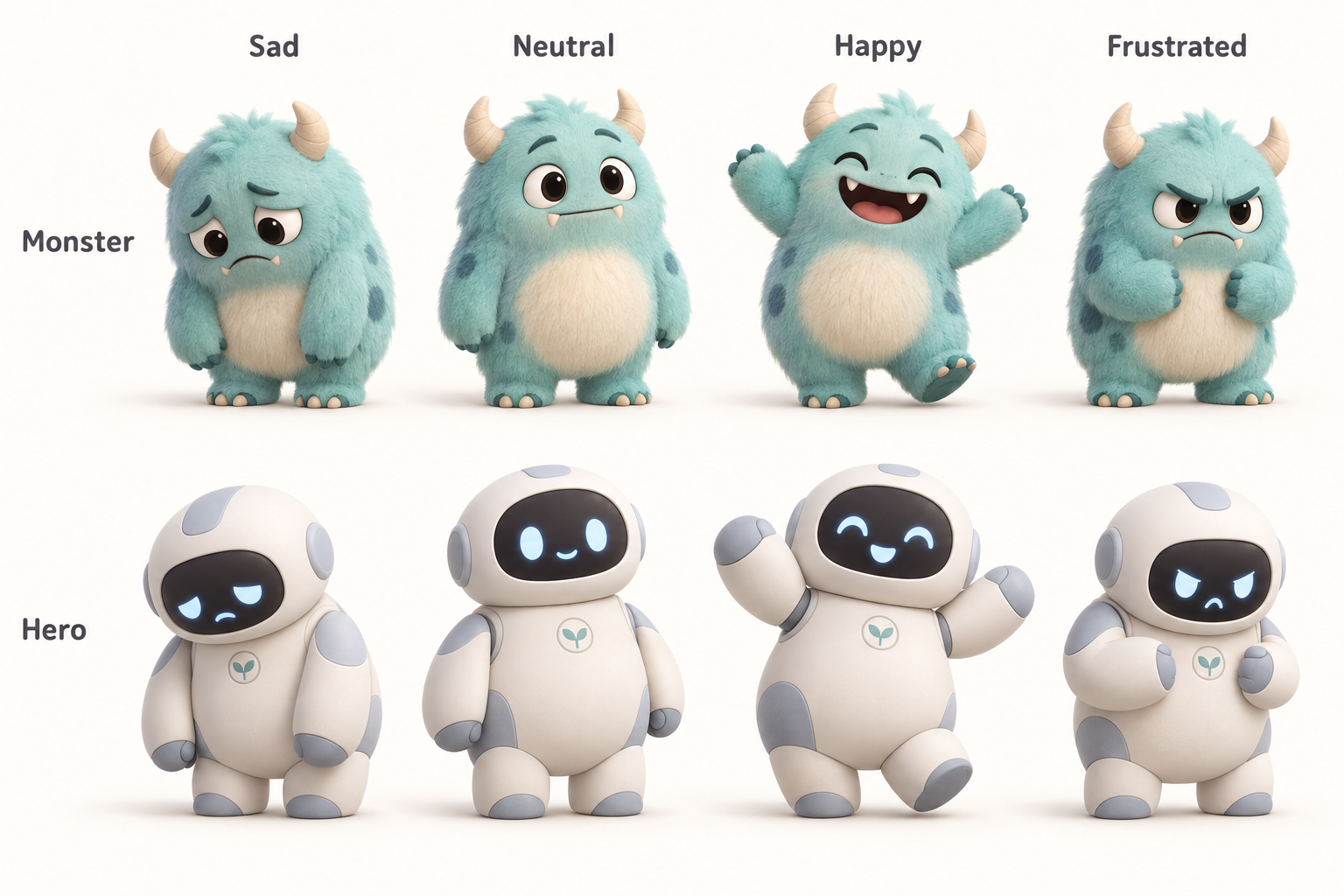
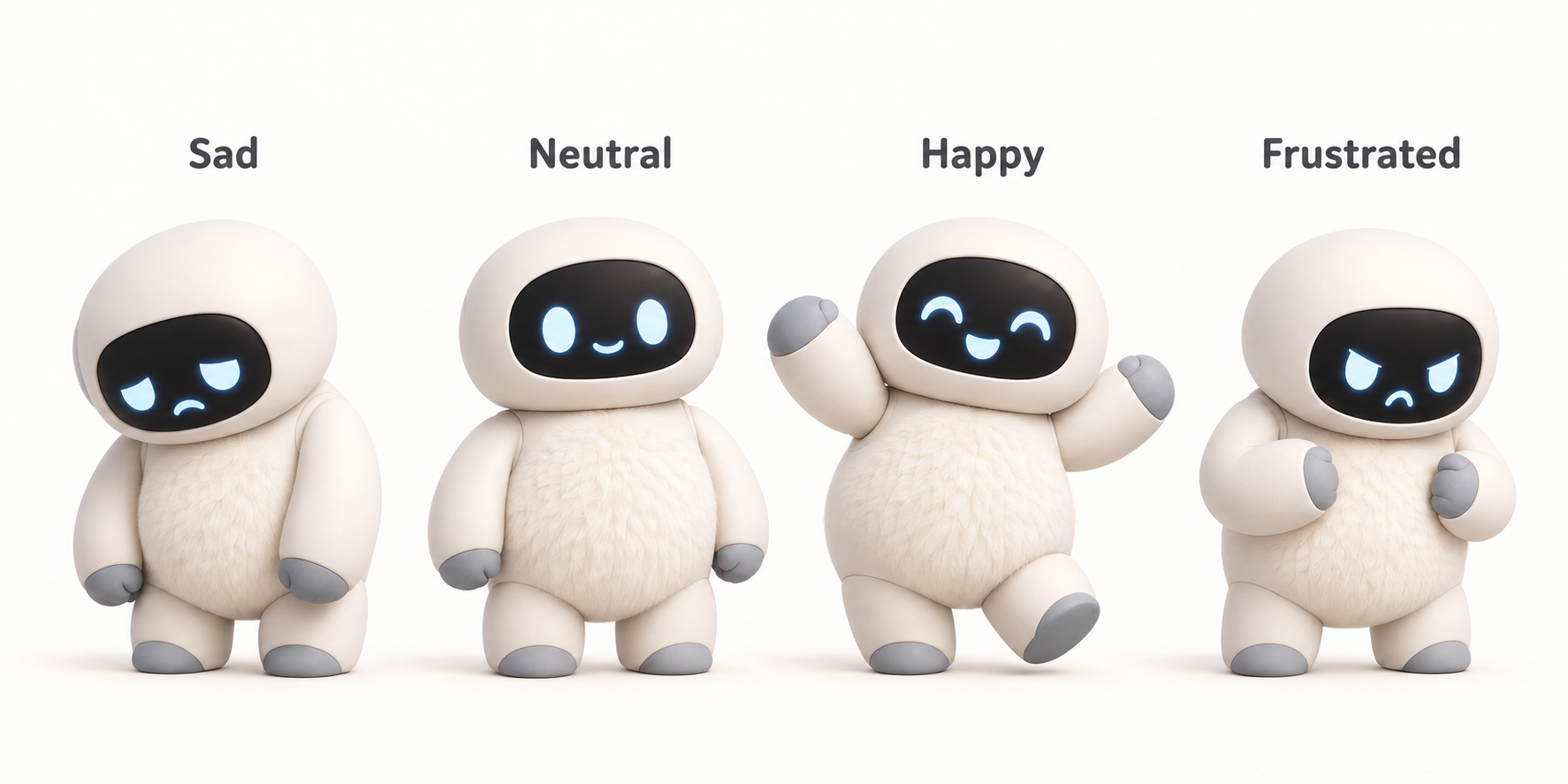
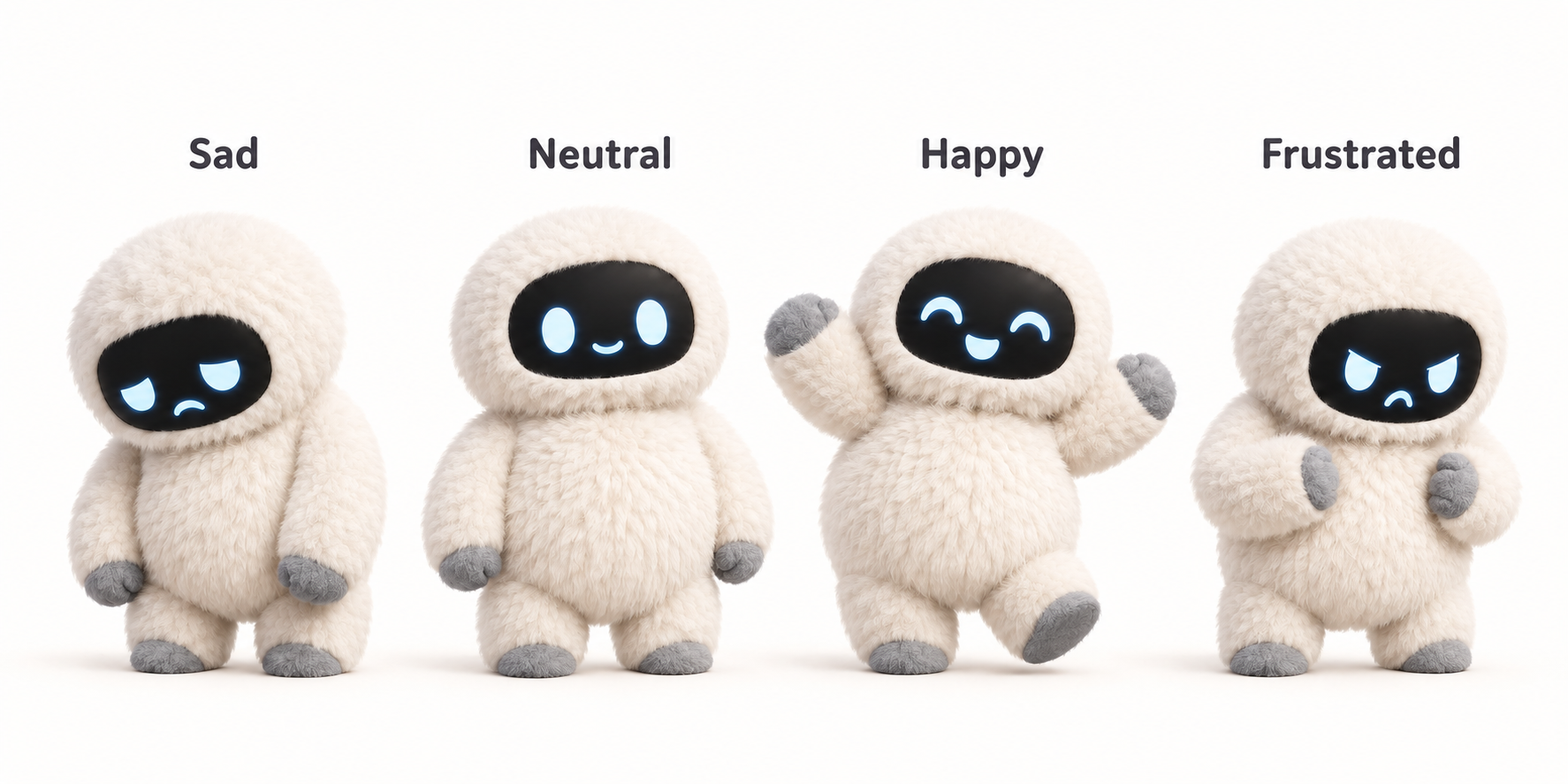
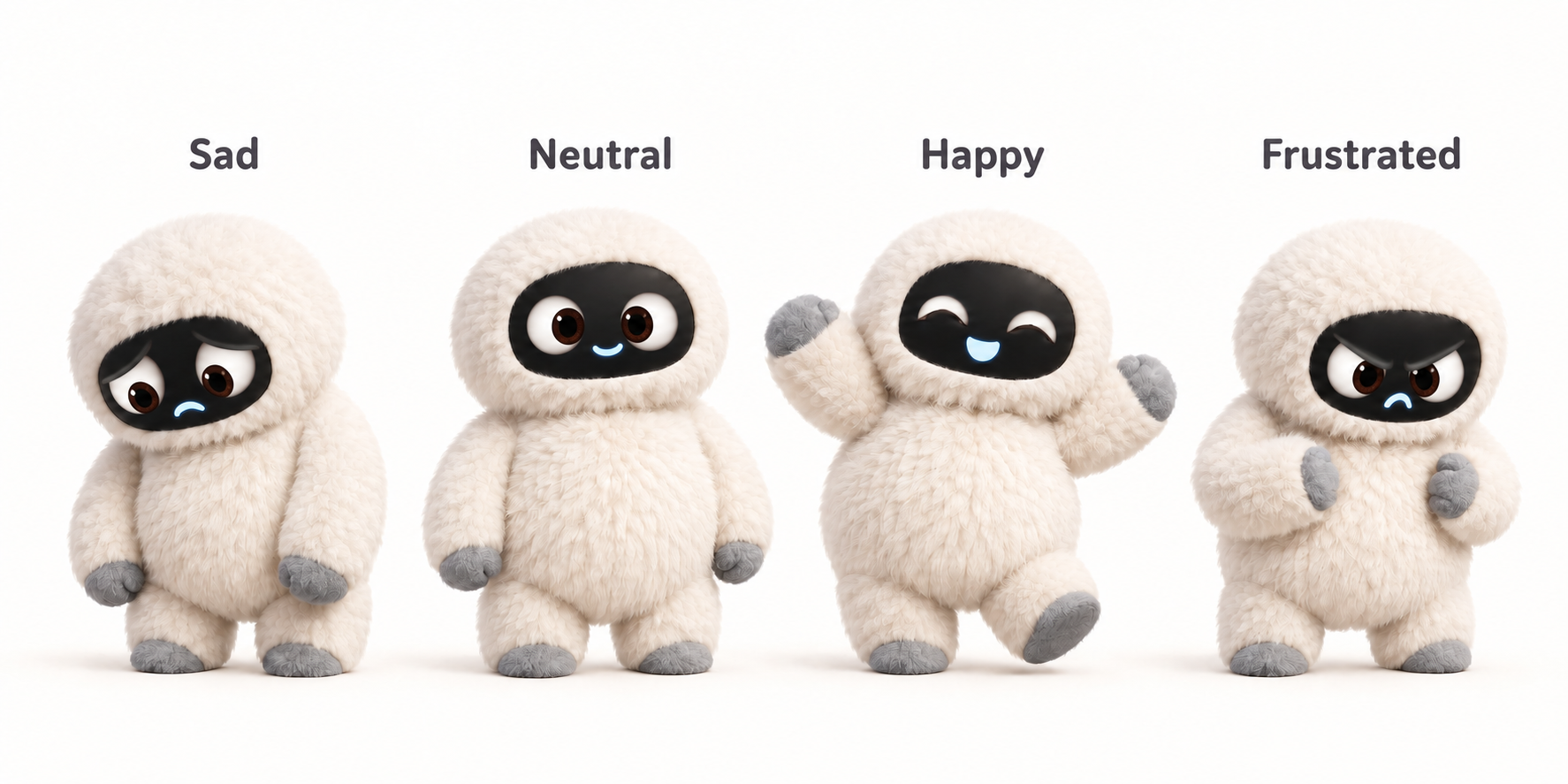
For Mooly, I explored two character directions inspired by the expressive charm of Monsters, Inc. and Baymax’s soft, approachable form. I developed a fluffy monster and a gentle robot, each showing four emotions—sad, neutral, happy, and frustrated—to make daily mood logging feel engaging and relatable.
I then refined the robot with a fully furry body and the monster’s expressive eyes, combining both directions into a warm companion that helps users recognise and express their feelings.
Character imagery and video generated using ChatGPT Astra and Gemini Veo 3.1.
App design and function
Features for Feely
| Features | Description |
|---|---|
| Emotional range | Four expressions to choose—happy, neutral, sad, and frustrated. |
| Record and check in | Record emotions with optional context by inputting notes or a voice recording. |
| Calendar view | A long-term reflection to show recurring moods and patterns. |